
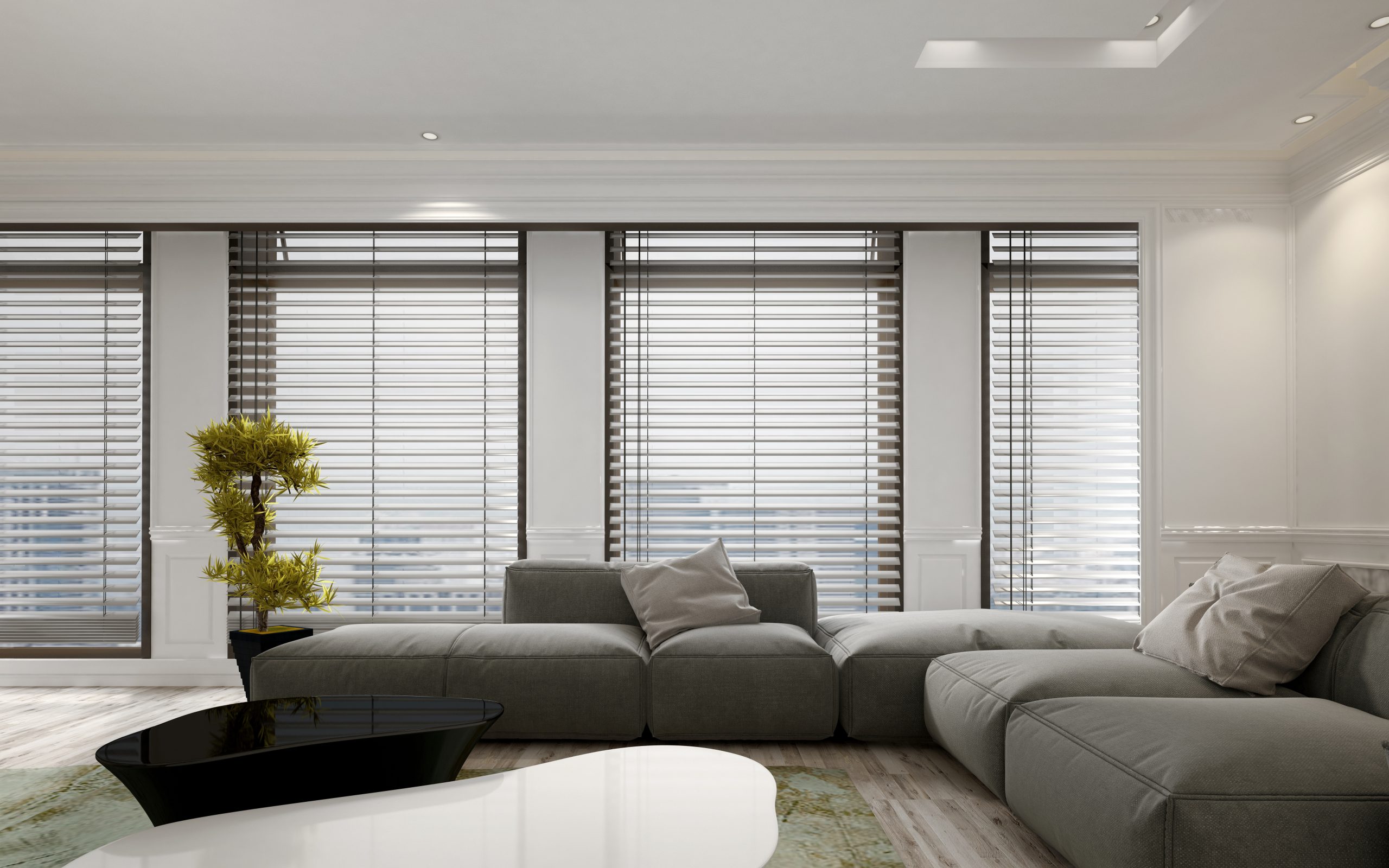
Most homes here are sold the idea that any blind or shade handles Katy heat the same way, and your west-facing afternoon sun proves otherwise within a week of move-in. This post walks through window treatment ideas organized by room, sun exposure, and how your family actually uses each space, with the tradeoffs spelled out. We do this work daily with homeowners and business owners across the Greater Houston area, including window treatments in Katy on every kind of west-facing wall.
Key Takeaways
- The U.S. Department of Energy reports awnings can cut solar heat gain by up to 77% on west-facing windows.
- Per the U.S. Department of Energy, cellular shades can reduce unwanted solar heat by up to 60%.
- Best ideas vary by room, window orientation, and privacy need.
- Stylish picks like shutters and drapery still differ in performance.
Window Treatment Ideas by Room for Your Katy Home
A Katy idea works in two layers: pick by how the room is used, then refine by which direction the window faces. Most newer subdivisions here put great rooms and primary bedrooms on the west or patio side, with tall glass and long sightlines from the street. Houston sits in a hot-humid climate zone, so your design choices have to handle direct afternoon sun, humidity in kitchens and baths, and the family privacy questions that come with open-plan floor plans.
Living rooms and great rooms
A great room usually carries the home’s architectural weight, so the window treatment should too. We pair a structural anchor on street-facing windows with a softer, performance-driven layer on rear-facing patio walls.
- White-painted plantation shutters on street-facing windows for a built-in architectural look
- Drapery layered over solar shades on rear patio walls for privacy after dark
- Motorized shades on two-story foyer windows or transoms you cannot reach
- Roman shades in a natural fabric on accent windows that frame a fireplace
- Custom blinds on side windows where you want quick tilt control
Furniture placement matters when you plan window treatments. Position sofas and chairs to take advantage of filtered daylight without direct glare on screens or upholstery. Each space benefits from window coverings designed to suit the room’s function and light exposure.
Kitchens, dining, and west-facing breakfast nooks
Kitchens add humidity and grease, and west-facing breakfast nooks get the worst of the late-day glare right at eye level. Top-down/bottom-up cellular shades let morning daylight in at the top of the window while keeping afternoon sun off the table. For sinks and prep zones, faux wood blinds handle moisture and wipe clean, which solid wood will not.
Houston’s humid climate, documented in the Houston climate normals from NOAA, pushes real wood window treatments to swell and warp in kitchen and bath zones over time. Faux wood and composite hold up.
Bedrooms and kids’ rooms
Bedrooms want darkness on demand and quiet operation. Blackout Roman shades or drapery layered over a roller shade give you full block at night and a soft profile by day. For nurseries, motorized blackout shades on a nap-time schedule keep the space dark without anyone walking in. Cordless and motorized options create a safer setup by removing pull-cord hazards, and The Shutter House works with families across the Greater Houston area to plan these details room by room.
Are motorized shades safer for kids’ rooms? Yes. Cordless and motorized operation removes the pull-cord hazard, and scheduled scenes mean you are not opening and closing windows manually during nap time.
The harder Katy question is what to do with the windows your room logic alone cannot solve: west-facing exposures and oversized patio doors.
Ideas for West-Facing Windows and Large Patio Doors
The strongest solar heat reduction comes from exterior shading like awnings, but Katy HOA rules and the look of most homes here rule that out, which is why interior layering matters more on these windows than anywhere else in the house.
That guidance lines up with the U.S. Department of Energy guidance on window coverings, which positions interior layering as the next-best response when exterior options are off the table. The layered system we use most here pairs a tight-fitting solar shade sized to the glass with drapery panels that stack off to the side of the window. By day the solar fabric cuts glare and preserves the view. By evening the drapery closes to block low-angle sunlight and finish the room. For sliding patio doors, panel-track shades or vertical blinds operate without bunching against the track. Covered porches and screened patios benefit from exterior-grade solar shades that filter harsh afternoon light in humid conditions.
- Solar shades sized to the glass with drapery panels stacking outside the frame for a filtered view by day and full block by evening
- Panel-track shades or vertical blinds for sliding patio doors that operate without bunching
- Motorized cellular shades on tall transom windows, scheduled to drop before peak afternoon heat
- Plantation shutters with adjustable louvers on west-facing bedrooms, tilted to deflect direct rays without losing the room
- Layered Roman shades over solar shades in formal living rooms for style and performance together
- Custom blinds on patio doors where you need quick tilt control with minimal stack space
Cordless lift systems bring peace of mind in homes with young children or pets, and they also serve hard-to-reach windows where pull cords would never make sense. Once your hardest exposure is covered, the next question is which style-forward picks still pull weight on heat.
Stylish Ideas That Still Cut Katy Heat and Glare
- Floor-to-ceiling drapery in a medium tone with a white-plastic backing for real heat performance, not just decor
- White-painted plantation shutters with adjustable louvers for glare control without losing the room
- Roman shades in a textured natural fabric as a style and privacy choice, not an insulation pick
- Layered drapery over solar shades, the most performance-flexible style combination on west exposures
The numbers behind the first idea come from the Department of Energy.
The U.S. Department of Energy reports medium-colored draperies with white-plastic backings can reduce heat gains by 33%.
The backing and lining matter as much as the fabric you see from the inside. Drapery without that white-plastic backing reads as decor only. Roman shades and roller shades alone deliver modest insulation according to DOE, so treat them as a look and privacy decision and pair them with a performance layer behind the glass.
Plantation shutters give you louver-by-louver control that fixed-fabric Roman shades cannot, which is why they read as the more functional stylish pick when light shifts hour by hour. For the softest finish with real performance, layer custom drapery over a solar shade and choose the lining deliberately. Warm tones in drapery fabric can highlight architectural details while still delivering the backing you need for heat control.
Curtains and drapes are often called the same thing, but drapes typically include a lining designed for light control and insulation. Taste drives fabric weight and texture, but the backing determines thermal performance. Details like hem weight and pleat style elevate the finished look without compromising function.
When you are ready to commit to a category, the next question is which one fits.
Shutters, Shades, Drapery, or Motorization: How to Choose
Most Katy homeowners end up picking among four families: shutters, shades, drapery, and motorization. Each wins in a different condition, and the right call depends on whether heat, style, privacy, or daily operation dominates the decision. The table reads as a head-to-head.
| Category | Best For | Trade-off | Katy Use Case |
|---|---|---|---|
| Plantation shutters | Architectural look, louver control, privacy | Higher upfront investment; permanent | Street-facing windows in brick traditional homes |
| Cellular and solar shades | Tightest fit, strongest heat control | Less decorative profile alone | West-facing rooms; new-build great rooms |
| Drapery | Soft style, layering, room finish | Performance depends on lining and backing | Living rooms and primary bedrooms |
| Motorized shades and blinds | Scheduling, tall windows, cord-free safety | Higher upfront cost | Two-story foyers; nurseries; patio walls |
Motorization is positioned by DOE as a comfort and daylight management tool, not as an upgrade add-on. Shutters win on architectural permanence and resale character. Cellular shades and solar shades win on the raw heat numbers because the fabric sits tight to the glass. Drapery wins on softness, layering, and finish when you pick the lining for performance and not only the front-side look. Motorized blinds earn their place on the windows you cannot easily reach and on the schedules that match your family’s day.
Budget considerations vary by product and project scope. Cellular shades and blinds typically cost less per window than custom shutters or motorized systems. Functionality and convenience drive the call as much as upfront price. A streamlined motorized system tailored to your lifestyle can serve multiple rooms on a single remote or app. Our design consultants work with homeowners across the Greater Houston area to determine priorities during an in-home consultation.
When you are ready, an in-home visit lets you see fabric samples, louver depth, and motorization scenes against your actual windows before you commit. Schedule a consultation to see the options against your own light.
Katy Window Treatment Questions, Answered
What window treatments work best for west-facing windows in Katy?
Solar shades, cellular shades, or layered drapery over shades typically perform best, because west exposure demands both glare control and real heat reduction.
The right pick depends on fabric openness factor, which is the percentage of the weave that lets light through. A 3% to 5% openness preserves the outward view while cutting glare and UV; a tighter weave blocks more heat but closes the view. The Shutter House Katy team confirms the openness for the room’s view priority during the in-home visit, because the same percentage reads differently on a green lawn than on a brick wall.
Do plantation shutters help with heat, or are they mostly for style?
Plantation shutters help with both, but tighter-fitting cellular shades typically outperform them on raw heat control while shutters win on architectural look.
Louver angle and material thickness drive shutter performance. Closed louvers deflect direct sun and meaningfully cut radiant heat, but small slat gaps still leak more than a sealed cellular cell. Shutters earn their place when permanence, resale character, and full privacy adjustment matter most, which is why they so often anchor street-facing windows on brick traditional Katy homes. Contact us for a free consultation to explore your options.
Are motorized blinds worth it in a Katy home?
Yes for tall windows, west-facing rooms, and nurseries, where scheduled scenes deliver comfort and daylight control that daily manual operation cannot match.
Scenes can be tied to local sunset times so your shades drop automatically on hot afternoons and reopen for evening light. DOE frames automation as a seasonal optimization tool, not an upgrade option, because the savings come from consistent timing your family will not remember to do by hand. The Shutter House Katy team configures and tests these scenes during installation. Start with a free consultation.
What is better for privacy and natural light, top-down bottom-up shades or shutters?
Top-down/bottom-up shades give finer daylight control room by room; shutters give a permanent architectural look with full louver privacy adjustment.
Top-down/bottom-up wins on second-story street-facing rooms where you want sky light without the sidewalk view, because you can drop the top rail and leave the bottom closed. Shutters win on bay windows and front-facing rooms where the architectural footprint reads from the curb. DOE notes both deliver daylight control, but the operation patterns differ enough that the room’s sightlines should determine the choice.
How can I reduce glare without making the room too dark?
Use solar shades or top-down/bottom-up cellular shades, which cut glare while preserving daylight, helpful for both productivity and sleep.
A study published in the International Journal of Environmental Research and Public Health found that better daylight access at home was associated with a 22-minute earlier sleep onset in a 20-resident crossover study. The takeaway: controlled daylight, not blackout, supports sleep and energy in living spaces. Save blackout layers for the bedrooms where you actually need them.
Should I layer drapery over shades in living rooms and bedrooms?
Yes when you want both heat control and a finished look, particularly on west-facing windows and in primary bedrooms.
A practical detail most owners miss: extend the drapery rod 8 to 12 inches beyond the window frame on each side so the panels stack off the glass when open. That preserves daylight by day and gives you full coverage at night without crushing the fabric against the window. The Shutter House Katy team measures rod extension during the in-home visit. Schedule a free consultation to plan yours.
Your Next Step
Ready to see these ideas applied to your own windows? Browse our project gallery for inspiration, visit our Katy page for product details, or request a free consultation to get started. We serve Katy, Cinco Ranch, Cross Creek Ranch, Fulshear, and nearby communities across the Greater Houston area.
