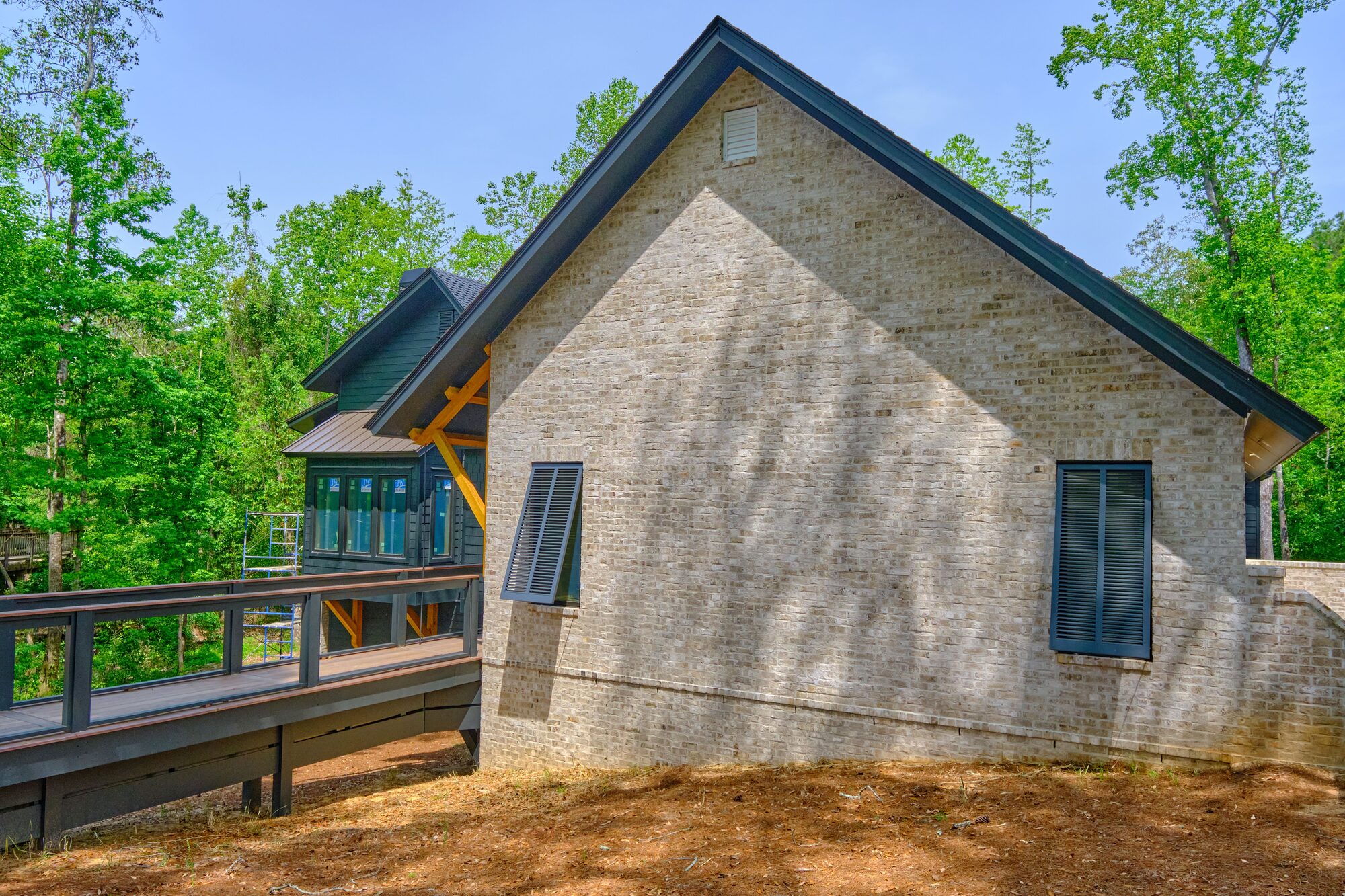
“Rated” isn’t a style description. It’s a tested standard, and confusing the two is the most common mistake Space Coast homeowners make when shopping for impact-rated Bahama shutters in Melbourne. This guide covers the code behind the label, why Bahama shutters fit Florida’s coastal climate, the insurance angle, and what custom sizing and installation look like when our team works from a 15-manufacturer network to match your property to the right product approval.
Key Takeaways
- Impact-rated Bahama shutters aren’t decorative: Florida product approvals like FL17047 list Bahama systems tested to ASTM debris standards with design pressures up to +50/-50.
- NOAA reports Melbourne summer highs of 87-91°F with heat index near 100°F on many afternoons, making Bahama shade a daily-use benefit, not just a storm feature.
- Peak hurricane activity for the area runs August through October, per NOAA, so lead time on ordering matters.
- My Safe Florida Home lists Opening Protection as an eligible improvement, with grants covering approved upgrades up to $10,000 total.
What “Impact-Rated” Actually Means for Bahama Shutters
“Impact-rated” is a product-approval category verified through testing under the Florida Building Code, not a marketing tier a manufacturer assigns on its own. FEMA guidance on wind-borne debris regions states that openings in these zones must either be impact-resistant or protected by an impact-protective device, such as a shutter engineered and tested for that purpose.
Florida product approval FL17047 lists an impact-resistant Bahama shutter approved for use outside the High-Velocity Hurricane Zone, with a design pressure rating up to +50/-50 psf.
Design pressure measures how much wind force the shutter and its mounting can withstand without failing, in both positive and negative directions. The engineering evaluation behind that approval cites testing under ASTM E1886 and E1996, the standards that govern large missile impact resistance. A wind-borne debris region, for reference, is any coastal area where code requires protection against airborne debris during high winds, not just wind pressure alone.
This is why matching the right Bahama shutters approval to your home’s location and exposure matters more than picking a shutter based on how it looks hanging on a neighbor’s house.
Why Melbourne’s Climate Makes These a Year-Round Shutter
Melbourne’s climate creates a genuine dual-use case. The same shutter that blocks afternoon sun in June is the one you close before a storm in September.
According to NOAA’s Melbourne climate summary, normal summer highs run 87-91°F, with heat index reaching around 100°F on many afternoons. Most hurricane activity affecting the area occurs from August through October, inside an Atlantic season that officially starts June 1. From 1900 to 2010, 16 hurricanes passed within 65 nautical miles of Melbourne, including 6 major hurricanes, per NOAA’s historical storm data.
The wet season stretches from late May through mid-October and delivers roughly 33 inches of rainfall, per NOAA. Winter still earns the shutter its keep: NOAA’s 1991-2020 normals put the January mean at 61.7°F with a daily max of 71.8°F, so top-hinged shade stays useful well past hurricane season.
Every one of those numbers connects back to the same product: heat and glare call for daily shade, while wet season and storm season call for a mounted, storm-ready panel. Brevard County homes that get both from one purchase are why the decorative-versus-rated choice becomes the pivotal decision for coastal properties.
Decorative Bahama Shutters vs. Impact-Rated Bahama Shutters
Plenty of area listings show Bahama shutters without specifying which category they fall into, and that gap matters more than most buyers realize. A shutter that looks the part and a shutter that’s tested to protect an opening are two different products with two different jobs.
| Factor | Decorative Bahama Shutter | Impact-Rated Bahama Shutter |
|---|---|---|
| Code approval | Not storm-rated; no Florida product approval required for aesthetics | Carries a Florida product approval (e.g., FL17047) with a stated design pressure |
| Debris testing | Not tested to ASTM impact standards | Tested to ASTM E1886/E1996 Large Missile Impact standards |
| Storm role | Visual accent; not intended to protect the opening | Deployed and secured before a storm as opening protection |
| Insurance relevance | Generally not eligible for opening-protection credits | May contribute to wind-mitigation credit when installed and documented correctly |
| Best fit | Homes prioritizing curb appeal without storm-prep needs | Homes wanting shade, storm readiness, and mitigation documentation in one product |
For most Space Coast homes sitting inside a wind-borne debris region, a decorative-only Bahama shutter solves the wrong problem. The impact-rated version still delivers the shade and exterior shutters curb appeal a decorative panel offers, plus documented opening protection behind it.
Coastal Materials, Corrosion, and Everyday Durability
Corrosion isn’t a feature question on the Space Coast. It’s a lifespan question, since year-round salt air and a wet season stretching from late May through mid-October push every fastener, hinge, and finish.
Aluminum impact-rated Bahama shutters are lightweight and corrosion-resistant, which suits beachfront and near-coast homes that face the heaviest salt exposure. Composite Bahama shutters offer a moisture-resistant, wood-like alternative for homes set further inland. Hardware matters just as much as the panel itself: our stainless steel and cast aluminum options are selected to resist rust where standard fasteners fail.
Each shutter is professionally installed and mounted to existing trim with hardware engineered for coastal conditions. The mounting brackets secure every panel to wall framing rather than surface trim, which delivers reliable performance when hurricane force winds and tropical storms hit. Durable construction like this stands up to salt air and UV exposure year-round, not just during storm events.
- Ask what the panel is constructed from and how that material performs in salt air.
- Check whether the hardware is stainless steel or cast aluminum, not standard steel.
- Confirm the finish carries a coastal warranty, not just a standard one.
Material and hardware choices also feed directly into how the installation gets documented for insurance and mitigation.
Insurance, Mitigation, and Storm-Prep Value
Florida’s insurance mitigation programs exist for a reason, but eligibility hinges on the paperwork behind the shutter, not just the panel itself. The Florida Office of Insurance Regulation requires insurers to file premium discounts for hurricane loss mitigation for residential customers who install qualifying devices such as shutters. On the grant side, My Safe Florida Home ties eligibility to a wind-mitigation inspection, not just the presence of a shutter on the wall.
My Safe Florida Home lists Opening Protection as an eligible improvement, with grants covering approved upgrades up to $10,000 total, subject to legislative appropriation.
Eligibility depends on the wind-mitigation inspection form (OIR-B1-1802) and confirmation that the installed product carries the required Florida approval, so installation and documentation are part of the value here, not an afterthought. Homeowners regularly raise this exact worry in local forums: a hurricane-grade shutter that isn’t installed or documented correctly can still fail to qualify for an opening-protection credit. If you want to see how this fits your property, schedule your free consultation and we’ll walk through what your insurer will need.
Custom Sizing and Professional Installation in Melbourne
Custom sizing isn’t a luxury add-on for Space Coast homes. Off-the-shelf shutters leave gaps that undermine both storm performance and the product approval attached to the shutter.
Our impact-rated Bahama shutters are custom-built to cover nearly every residential and commercial window opening in the area, with a fabrication lead time of 3 to 4 weeks. One local team handles the consultation, measuring, and installation, so the product approval, custom sizing, and installation documentation all stay aligned under a single point of contact.
We serve homeowners across Melbourne, Palm Bay, Satellite Beach, Cocoa Beach, Melbourne Beach, and surrounding communities in Brevard County. Custom color matching ensures your shutters enhance your home’s existing style while delivering the hurricane protection your property needs. Each installation is mounted to secure your windows against storm conditions and includes the wind-mitigation documentation your insurer will ask for.
- Ask for the Florida product approval number for the specific Bahama system you’re considering.
- Confirm the design pressure rating matches your home’s wind zone.
- Verify whether aluminum or composite construction fits your salt-air exposure.
- Request the wind-mitigation documentation you’ll need for your insurer.
- Plan around the 3-4 week fabrication window before hurricane season arrives.
Frequently Asked Questions
What does impact-rated mean for Bahama shutters?
Impact-rated Bahama shutters carry a Florida product approval and have been tested to specific debris-impact and wind-pressure standards. Florida approval FL17047 lists a Bahama system tested under ASTM E1886 and E1996 with design pressure up to +50/-50 psf, which separates a rated shutter from a decorative one.
Are all Bahama shutters hurricane-rated?
No. Decorative Bahama shutters and impact-rated Bahama shutters are separate product categories, and only impact-rated versions carry a Florida product approval and a stated design pressure rating. If storm protection matters for your property, ask specifically about the exterior shutters approval before you buy.
Will impact-rated Bahama shutters qualify me for a Florida insurance discount?
Possibly, but eligibility depends on your wind-mitigation inspection and correct installation documentation, not the panel alone. The Florida Office of Insurance Regulation requires insurers to file premium discounts for customers who install qualifying mitigation devices, though the exact discount varies by insurer and inspection results. Properly mounted impact-rated shutters with complete documentation improve your chances of securing an opening-protection credit.
How do Bahama shutters compare to accordion shutters for Melbourne homes?
Bahama shutters add daily shade and curb appeal while providing opening protection when they’re impact-rated. Accordion shutters prioritize maximum coverage across many openings with a lower visual profile when retracted. Both options enhance security for beachside properties and lock into place when storm protection is needed.
Do impact-rated Bahama shutters actually reduce heat inside the house?
Yes. Top-hinged Bahama shutters block direct sun before it reaches the glass, which cuts both heat gain and glare during the area’s long, bright afternoons. The shade effect works year-round, not just during summer months.
Do I need professional installation for the shutter to count as opening protection?
Yes. FEMA guidance states storm shutters must be securely connected to wall framing to function as intended, and Florida wind-mitigation credits require documentation confirming the installed product carries its approval. The Shutter House Melbourne handles consultation through installation with one local team, so the documentation matches what was actually mounted on your windows.
How long does custom Bahama shutter installation take in the Melbourne area?
The Shutter House Melbourne typically completes residential installations in 1 to 2 days, following a 3 to 4 week fabrication lead time. Given that hurricane season peaks August through October, ordering early in the year gives you a finished, documented installation well before storm season arrives. Schedule your consultation now to avoid the pre-storm rush.